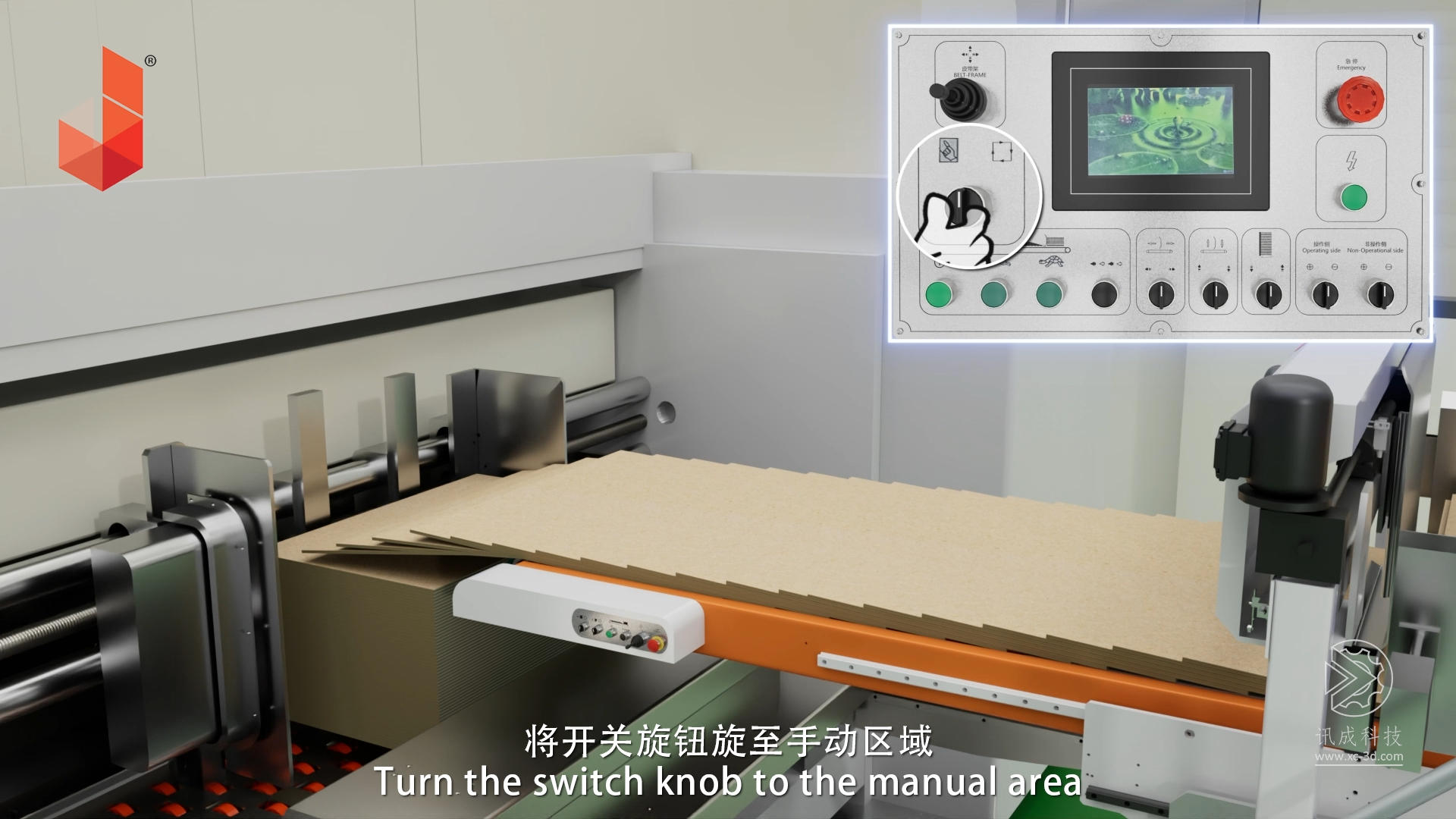
In the industrial manufacturing sector, 3D animation technology has evolved from an auxiliary tool to a core enabling technology that spans the entire product lifecycle. It is not just an innovation in visual expression, but also a deep redefinition of industrial language—transforming abstract technical concepts, complex processes, and implicit professional knowledge into intuitive, perceivable, and communicable visual narratives. This technology is continuously extending along the manufacturing value chain, driving efficiency innovation and value creation at every stage.
Conceptual Design Phase: Visual Verification of Ideas and Risk Prevention
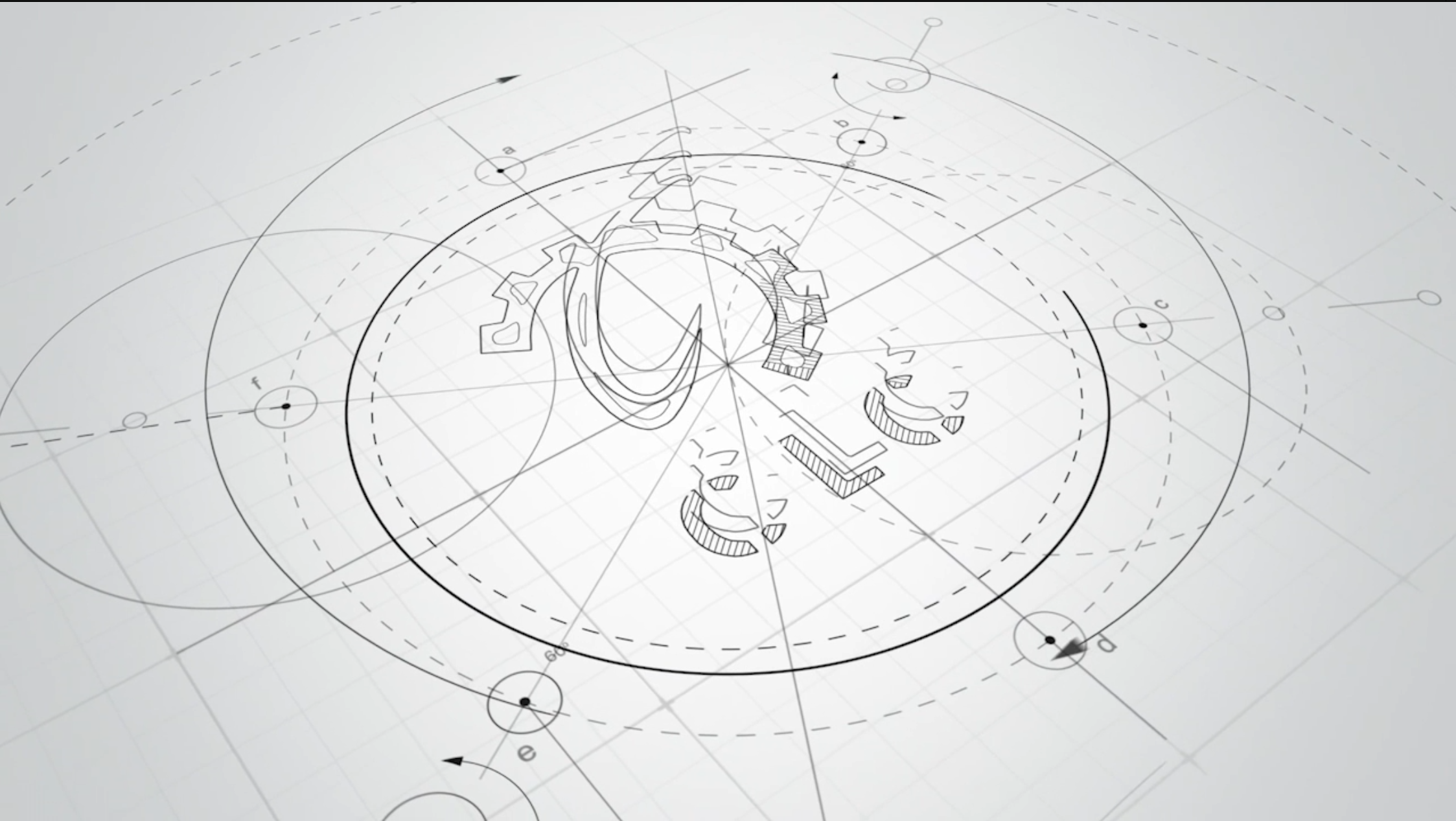
During the conceptual design phase, 3D animation acts as a 'visual laboratory'. It materializes abstract ideas and preliminary concepts in a virtual space, allowing design teams to conduct multi-dimensional evaluations of design directions before committing substantial resources. This advanced visual verification not only accelerates the selection and optimization of ideas but, more importantly, significantly reduces late-stage design change risks and costs by simulating the product's operation in future real-world environments and proactively exposing design flaws.
Engineering Design Phase: A Universal Language for Cross-Disciplinary Collaboration
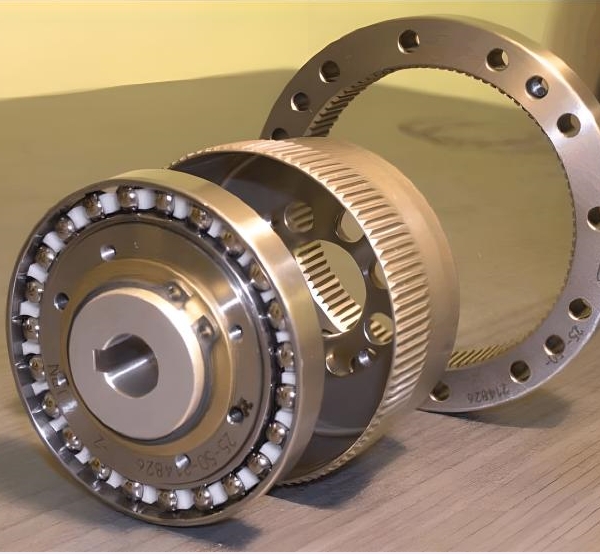
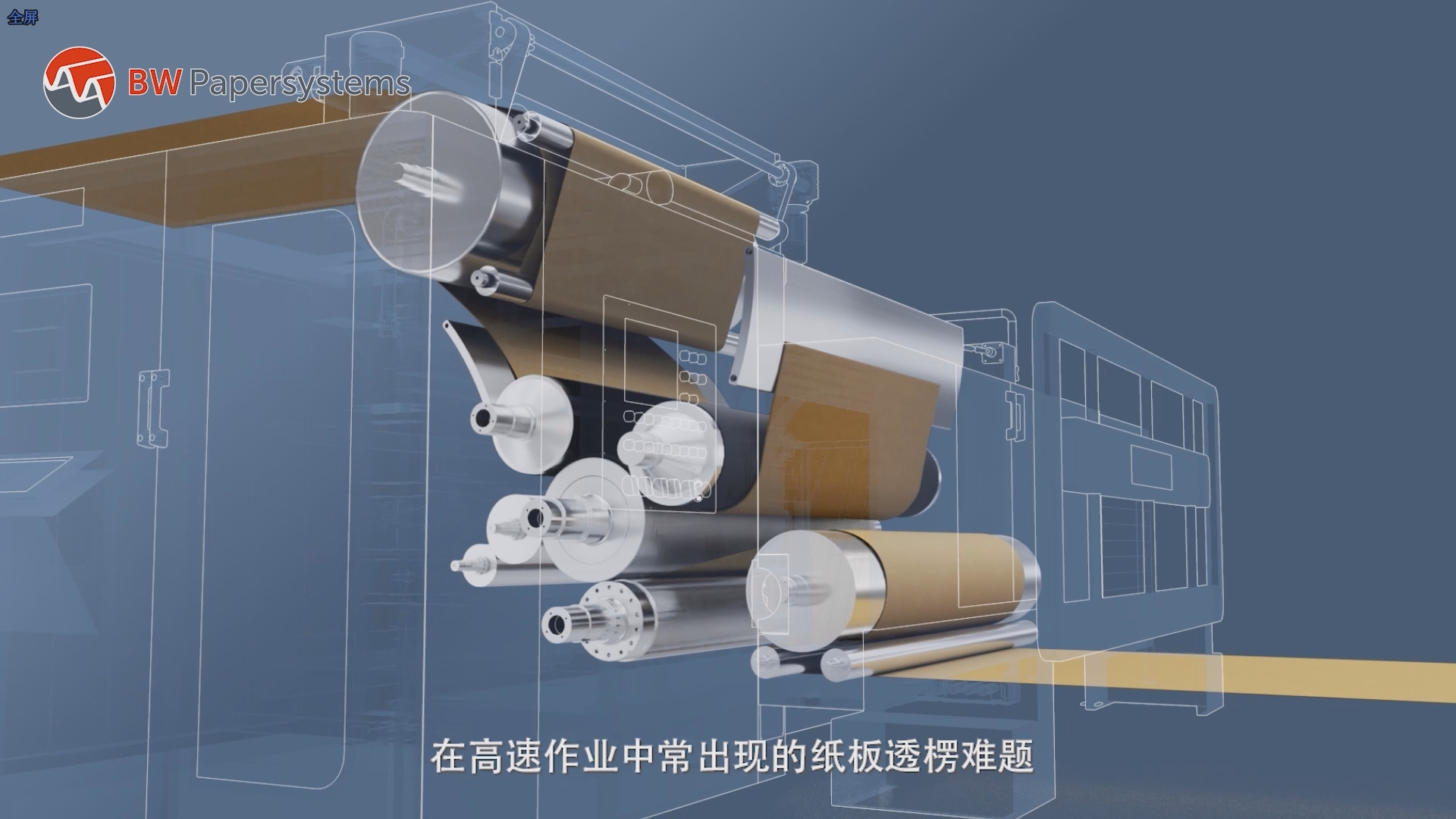
The engineering design phase often involves deep collaboration across multiple disciplines such as mechanical, electrical, and software engineering. In this phase, 3D animation becomes a 'universal language' that breaks down professional barriers. It transforms complex engineering drawings, assembly relationships, and operational logic into dynamic visuals that all participants can intuitively understand. This visual communication method greatly enhances review efficiency and ensures a high degree of consistency in interpreting technical solutions from designers to manufacturers. When developing its high-end corrugated board production lines, BW Papersystems in the USA used 3D animation to showcase the internal structure and operating principles of its core component, the corrugating roller, enabling parties including material experts and mechanical engineers to establish a clear common understanding of complex technical solutions.
Production, Manufacturing, and Assembly Phase: A Digital Sandbox for Process Optimization
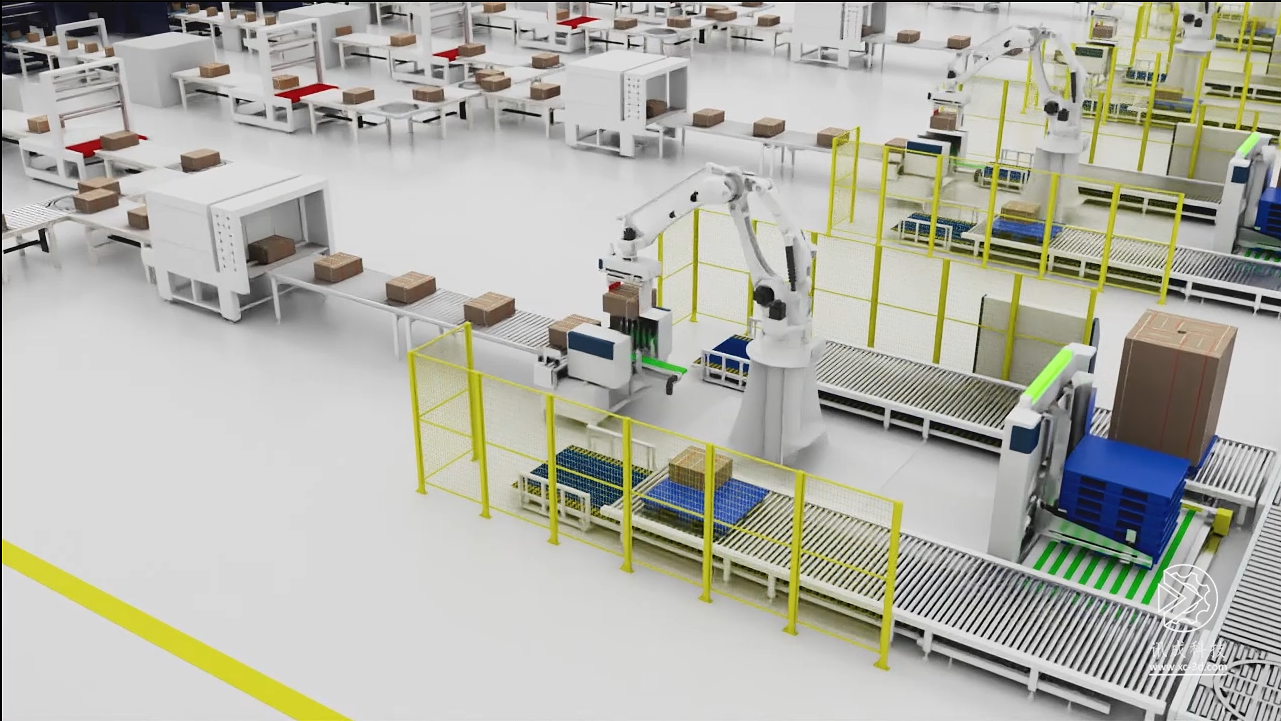
Before conversion into physical products, 3D animation provides a repeatable 'digital sandbox' for production, manufacturing, and assembly processes. By simulating the entire production line layout, material flow, and equipment assembly sequence, companies can identify process bottlenecks and optimize operational procedures in advance. This digital simulation capability allows enterprises to debug and optimize production systems in a virtual environment, laying a solid foundation for actual production.
Marketing and Sales Phase: A Converter from Technical Parameters to Value Resonance
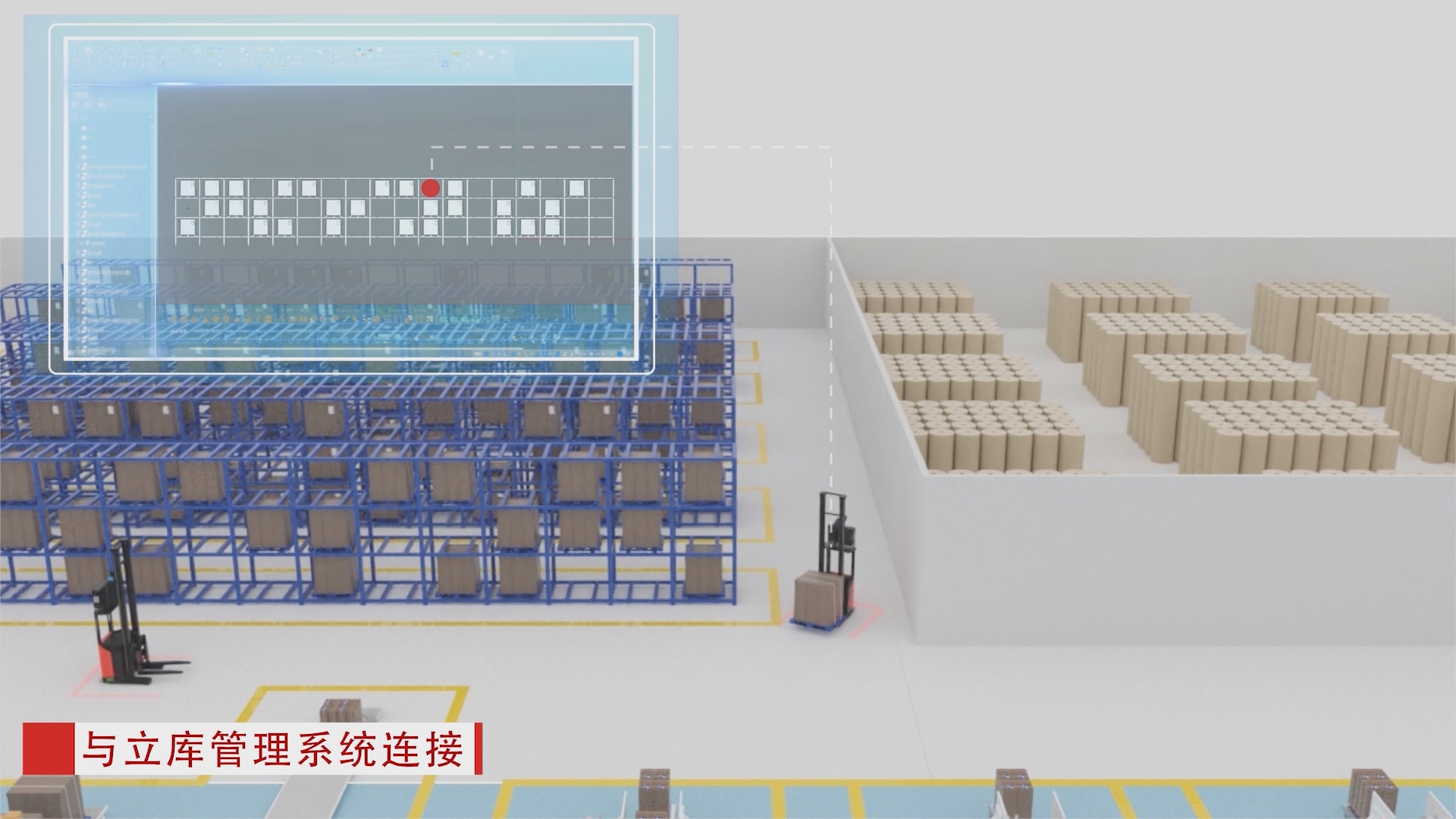
In the marketing segment, 3D animation is a key tool for transitioning from 'product promotion' to 'value communication'. It goes beyond dry technical parameter comparisons, transforming the product's core advantages into customer-perceivable and trustworthy value propositions by creating vivid application scenarios and precise principle demonstrations. The 3D animation for Fujian Fangg Guang Sheng Shi Information Technology Co., Ltd.'s IGV smart forklift, by showcasing its collaborative capabilities and the data flow of its intelligent control system, converts the abstract concept of 'intelligence' into a stunning visual experience, becoming a powerful lever for increasing sales conversion rates.
Technical Training and Knowledge Transfer: Building a Standardized Empowerment System
For technology-intensive industrial equipment, personnel skills are crucial for ensuring production stability. 3D animation makes implicit knowledge of experienced engineers explicit and structured, building a standardized training and knowledge transfer system that is not dependent on individuals. It supports employees in learning on demand and observing repeatedly, significantly reducing training costs and accelerating the skill development process.
After-Sales Service and Remote Support: From Cost Center to Value Center
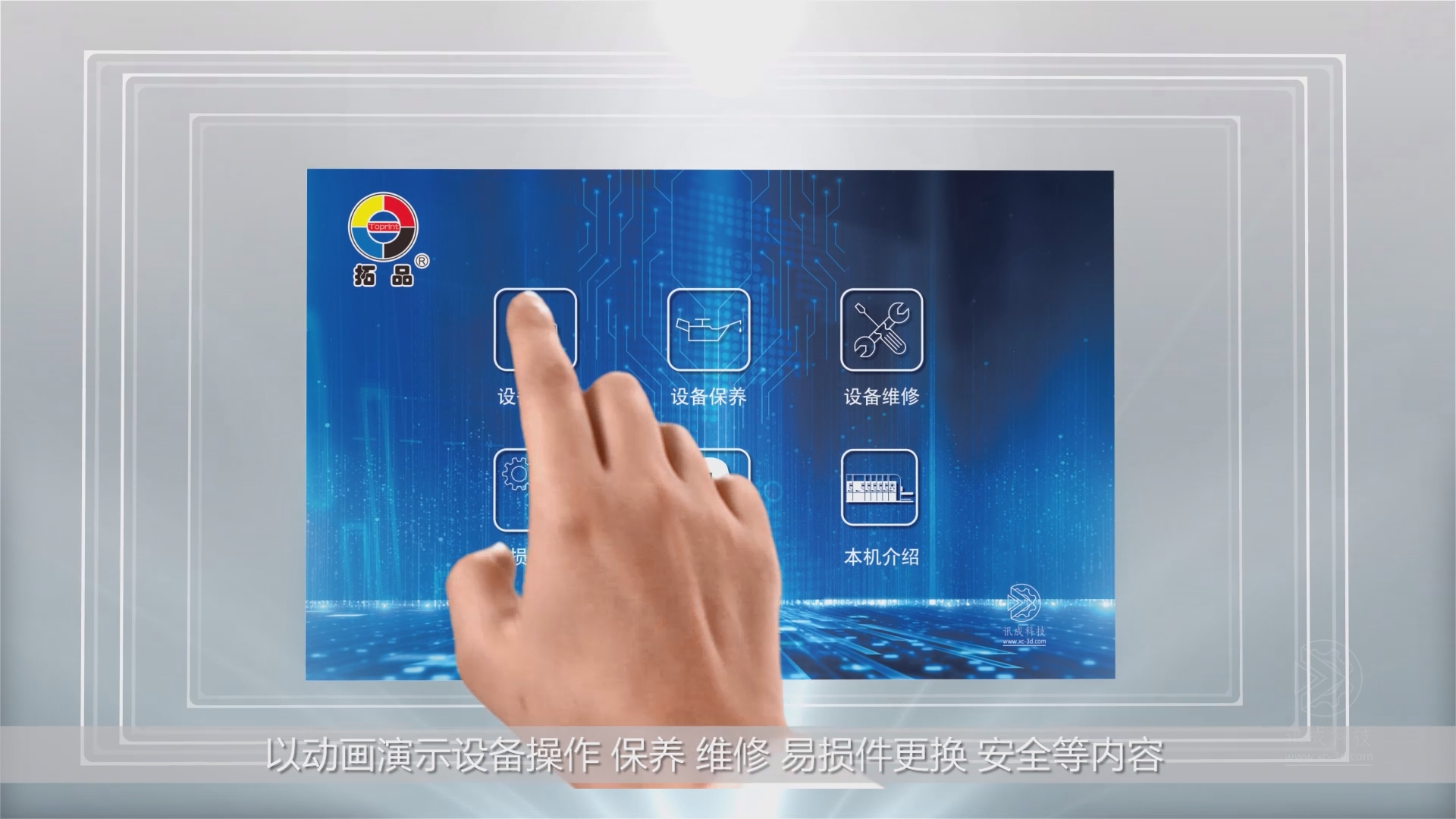
In the context of digital transformation, after-sales service is undergoing a paradigm shift from 'passive response' to 'proactive empowerment'. 3D animation is the core driving force of this transformation. By enabling customers to independently perform routine maintenance and basic fault diagnosis, it delivers a 'zero-wait' service experience. Foshan Jinbing Machinery Co., Ltd., through its multilingual 3D animation system, provides unified equipment maintenance and operation guidance to its global customers, effectively resolving service challenges caused by language and technical jargon differences, while enhancing customer satisfaction and optimizing the allocation efficiency of global service resources.

Digital Transformation and Digital Twins: Building the Visual Cornerstone of Future Manufacturing
Looking ahead, 3D animation models are increasingly becoming the visual cornerstone for building digital twin systems. They precisely map real-time data to physical entities, allowing managers to gain an intuitive perspective on the operational status of the entire production system. This deep integration not only enables visual monitoring of production processes but also provides unprecedented transparency and insight for predictive maintenance, energy management, and intelligent decision-making, ushering in a new era of intelligent industrial manufacturing.
The application map of industrial 3D animation clearly outlines a trajectory of continuous deepening and expansion along the manufacturing value chain. It is deeply integrated into every stage, from conceptualization to digital operations, becoming a core element driving product innovation, improving operational efficiency, strengthening customer relationships, and building future competitiveness. For enterprises aiming to establish themselves in the era of intelligent manufacturing, systematically planning and deploying 3D animation across the entire value chain is no longer an optional technical choice, but a strategic investment in building sustainable competitive advantages.
Featured FAQs:
Q: What are the application areas of industrial animation?
A: Industrial animation is widely used in machinery and equipment, energy and transportation, home appliances, building security, bridges and tunnels, as well as for product operation, usage, maintenance, and other after-sales services.
Application scenarios for industrial animation include: exhibition presentations, product sales, new plant planning, after-sales service, project bidding, achievement reporting, education and training, advertising and marketing, equipment maintenance, etc.
Q: Are animated videos expensive?
A: The prices of animated videos vary significantly, mainly influenced by production difficulty, duration, creative style, production cycle, and service content. On the surface, animated videos are not cheap, with prices often ranging from tens of thousands to hundreds of thousands or even millions of yuan. However, for high-end promotional videos of industrial products and machinery, animated videos offer high cost-effectiveness.
1- Replaces traditional paper brochures, is intuitive and easy to understand, spreads quickly, and reduces reliance on experienced sales representatives.
2- Animated videos are high-quality, perfectly showcasing many details, unique features, and structures, facilitating deeper communication with clients.
3- Animated videos can be made interactive, enhancing customer engagement.
Q: When is it suitable for a company to produce 3D animation?
A: The following three timing points are particularly suitable for producing promotional 3D animation:
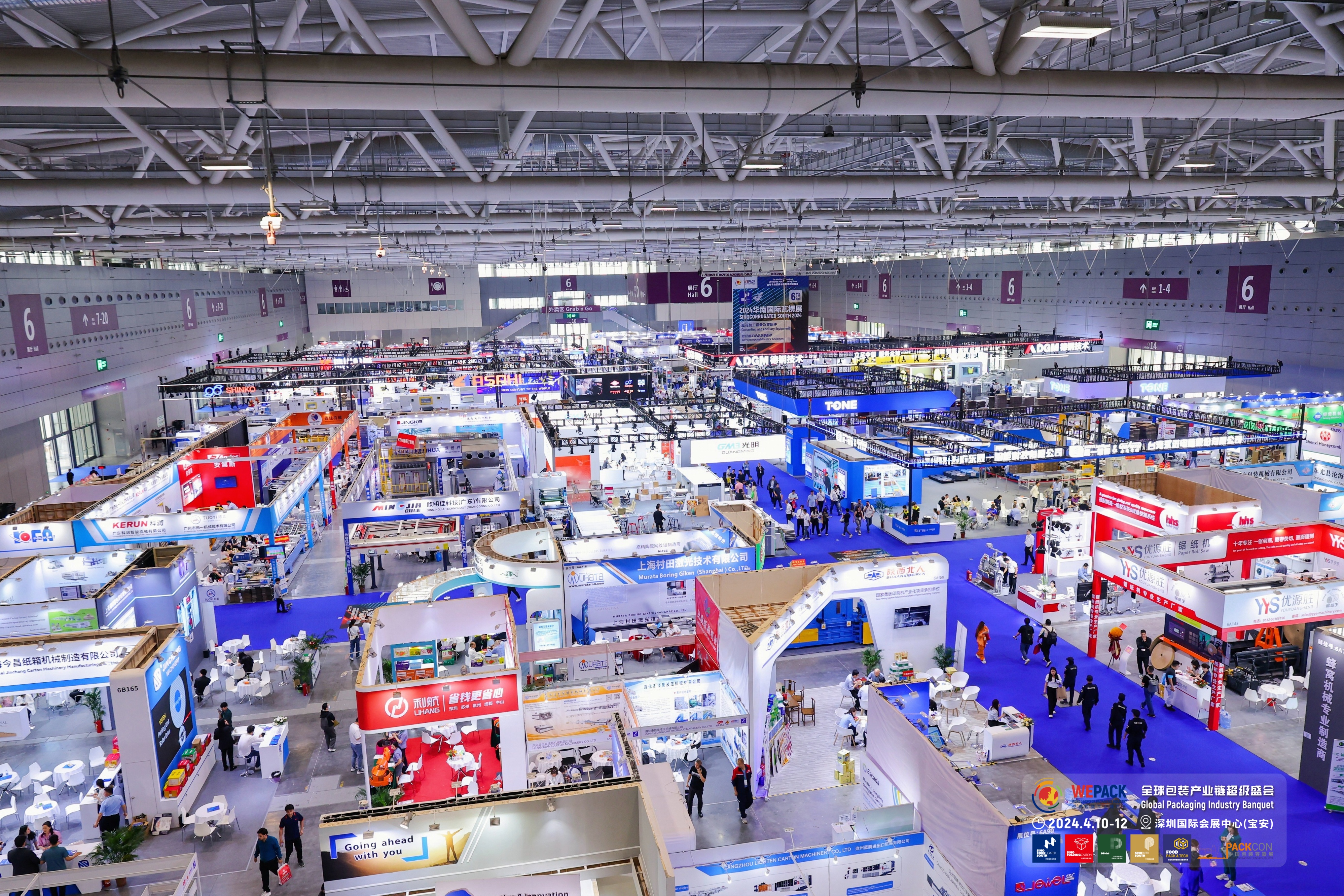
1- Before exhibitions. It's best to have the animation video ready 15-30 days in advance to generate pre-show buzz;
2- When new products or equipment are about to be launched;
3- For major client visits and communications.
4- During the product R&D phase: Aids internal cross-departmental communication and collaboration; helps attract investment or partnership opportunities; simulates design issues in advance, reducing R&D costs and risks;
5- During internal training.
It's important to note that 3D animation videos have a production cycle; it's best to communicate with the production company in advance to schedule the production time reasonably.
About Xuncheng Technology
Founded in 2016, with 9 years of professional industrial 3D animation creation experience, our clients span various types of enterprises including startups, overseas clients, listed companies, and foreign-funded enterprises. We specialize in providing 3D animation creation services for mechanical equipment, high-tech industries, software development, and foreign trade companies. We offer one-stop industrial 3D animation creative services from product sales to after-sales maintenance.
We have provided nearly 3000 minutes of professional animation videos for over 200 manufacturing enterprises.
Whether at exhibition sites or during client visits; whether expanding into overseas markets or enhancing after-sales service, we firmly believe that through the power of design, complex products and machinery can be presented through stunning 3D animation. This not only brings a unique visual experience to clients but also quickly resonates with them.